

IRATA Level 2 and Level 3 Certified Technicians Explained
Why should you care about certifications?
When you hire a rope access company, certifications matter. They tell you exactly what each person can and cannot do on your building. At JG Vertical, our technicians hold IRATA Level 2 and Level 3 certifications. But what does that actually mean for you?
Let’s break it down.
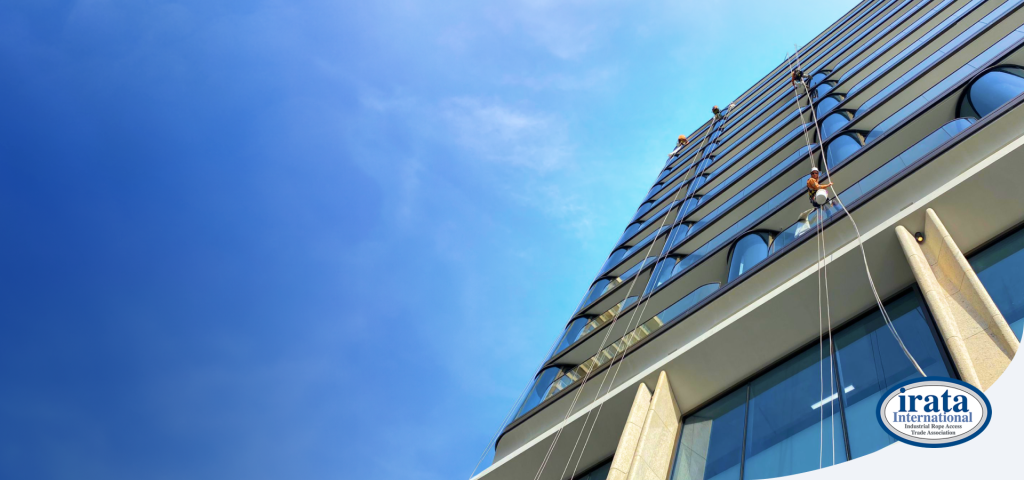
What is IRATA?
IRATA stands for the Industrial Rope Access Trade Association. It was founded in the UK in the late 1980s. The goal was simple: make offshore oil and gas work safer. It started on offshore platforms. Today it is the most widely recognised rope access certification system in the world.
Today, over 750 member companies across 71 countries operate under the IRATA framework. More than 110,000 technicians worldwide hold current certification. Each year, IRATA member companies log more than 22 million hours on ropes. Independent safety reports back this up. It is one of the safest ways to work at height.
IRATA uses a two-rope, fail-to-safe method of working. Every technician works on two independent rope systems at all times. If one fails, the second holds. Simple, but it is the backbone of the entire safety record.
IRATA member companies are also independently audited and regularly re-audited. Every trainee technician is assessed by an independent IRATA assessor, no matter where in the world they are trained. These controls set IRATA certification apart from other ways of working at height.
Is IRATA the only standard in Australia?
No. Not every rope access company in Australia holds IRATA certification. Some use SPRAT (the Society of Professional Rope Access Technicians), which started in the United States. Others follow general Safe Work Australia guidelines and AS/NZS ISO standards without formal ties to either body.
That said, IRATA is the dominant framework in Australia. It is the preferred or required standard in sectors like commercial building, oil and gas, marine, mining, and large-scale infrastructure. IRATA is also more widely available than SPRAT across Australia, with the eastern states offering both but IRATA being the more common pathway.
Here is what matters for clients: IRATA member companies must pass independent audits. They follow set work procedures. Every technician is assessed by someone outside the company. When you hire an IRATA-certified company, you get oversight that goes well beyond a basic working-at-height ticket.
How do the three IRATA levels work?
IRATA uses three progressive levels. Each one builds on the last, with stricter requirements and greater responsibility at every step.
Level 1: Entry-Level Technician
This is the starting point. A Level 1 technician can climb, descend, and carry out basic rope work. They must always work under the direct watch of a Level 3 supervisor. Their role is to carry out the work assigned to them, build their on-rope hours, and develop the core skills needed to progress through the IRATA system.
Level 2: Experienced Technician
A Level 2 rope access technician has logged at least 1,000 hours and spent a minimum of 12 months working at Level 1. They can rig working rope systems, carry out advanced rescues, and manage more complex tasks on site. They still operate under a Level 3 supervisor, but they bring a level of skill and judgement that a Level 1 simply has not built yet.
Level 3: Supervisor
The Level 3 IRATA technician is the supervisor. They have completed another 1,000 hours and 12 months beyond Level 2. They take full responsibility for rope access safety on a project. That includes planning rigging systems, managing risk, leading rescue operations, and holding a current first aid certificate. Every IRATA job requires a Level 3 on site. No exceptions.
Why do Level 2 and Level 3 matter for your project?
You do not want a crew of beginners on your building. Here is what having IRATA Level 2 and Level 3 certified technicians on your project actually delivers.
Speed without shortcuts. Level 2 technicians set up faster and solve problems on the move. They do not need step-by-step instruction for every task. They have been trained to rig complex rope systems and adapt when conditions change. That means less downtime, less standing around, and more work done safely.
Real rescue capability. Both Level 2 and Level 3 technicians are trained in advanced rescue. If something goes wrong at height, they know exactly what to do. Level 2 techs can carry out rescues under supervision. Level 3 techs can lead full rescue operations independently. This level of rescue readiness is what keeps people safe at height.
On-site accountability. Every IRATA rope access job must have a Level 3 on site. That person owns the safety plan. They check the ropes, the anchors, the gear and the conditions before work begins. They make the calls. When JG Vertical shows up, you get a Level 3 running the operation and Level 2 techs doing the work. That structure is built into every job we take on.
Fewer delays, fewer problems. A more experienced crew means fewer mistakes. Level 2 and Level 3 technicians have spent years on the ropes. They have worked across high-rise facades, commercial sites, and restricted access areas. They read the job, plan ahead, and keep things moving without cutting corners.
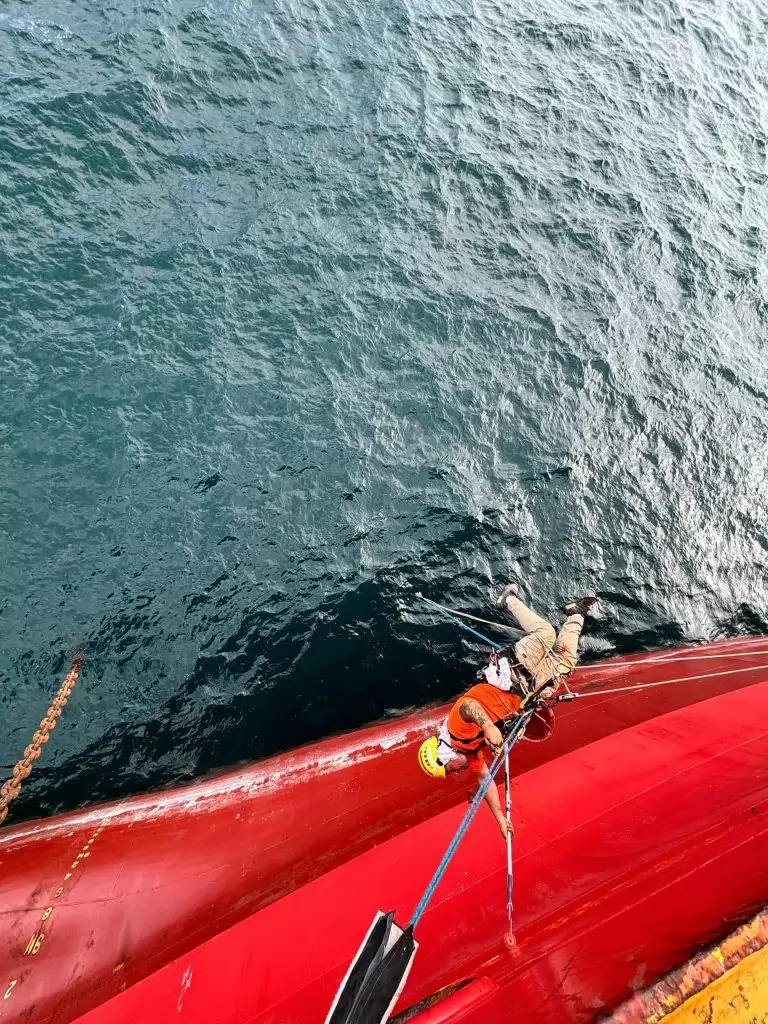
What does it take to get there?
Reaching Level 2 takes at least two years of committed work. A technician needs to log 1,000 on-rope hours and get those hours verified and signed off by a Level 3. Then they must pass a multi-day training course and an independent assessment run by an IRATA assessor.
Level 3 requires the same again. Another 1,000 hours. Another 12 months minimum. Plus a current first aid certificate. The training covers advanced rigging, rescue leadership, safety planning, equipment inspection, and team management. Then an independent IRATA assessor tests every skill before certification is granted.
Both certifications expire after three years. Technicians must complete revalidation training and pass another assessment to stay current. There is no automatic renewal. Every technician is expected to maintain their skills and stay current, or their certification lapses.
| Requirement | Level 2 | Level 3 |
|---|---|---|
| Minimum logged hours | 1,000 hours at Level 1 | 1,000 hours at Level 2 |
| Minimum time at previous level | 12 months | 12 months |
| Training course | Multi-day, assessed | Multi-day, assessed |
| Independent assessment | Yes | Yes |
| First aid certificate | Recommended | Required (current) |
| Certification validity | 3 years | 3 years |
| Key capability | Complex rigging and rescue | Full safety supervision |
This is exactly the standard JG Vertical operates to. Every crew we deploy across NSW and QLD includes IRATA Level 2 and Level 3 certified technicians. That means you get a team that has already logged thousands of hours at height, passed independent assessments, and holds current certifications. Our Level 3 supervisors plan the rigging, own the safety plan, and run the operation. Our Level 2 technicians execute the work with the skill and judgement that only comes from years on the ropes. When we say we get in, get it done, and do it safely, that is what we mean.
How does this affect your project?
If you are a builder, facility manager, or property owner, the distinction matters. The crew on your building should have the training, the hours, and the accountability to match the risk.
IRATA Level 2 and Level 3 technicians bring proven skill, structured safety systems, and real accountability to every job. With JG Vertical, you get a team that has already done the hard yards, holds current certifications, and operates to the highest standard in the industry.
Frequently asked questions
IRATA stands for the Industrial Rope Access Trade Association. Founded in the UK in the late 1980s to improve safety in offshore oil and gas, it is the most widely recognised global standard for rope access safety, training and certification. Over 750 member companies in 71 countries operate under the IRATA framework, with more than 22 million hours reported on ropes annually.
A Level 2 technician can rig working rope systems, carry out advanced rescues, and manage more complex rope access tasks. They must have logged at least 1,000 hours of on-rope work and still operate under the supervision of a Level 3.
Level 2 technicians perform complex rigging and rescue tasks under Level 3 supervision. Level 3 is the supervisor tier. They take full responsibility for rope access safety on site, plan rigging systems, lead rescue operations, and manage the crew.
IRATA certification is valid for three years. Technicians must complete revalidation training and pass an independent assessment before it expires. There is no automatic renewal.
A IRATA certified rope access technician, means who you’re hiring has been trained and independently assessed to IRATA’s international safety standards. It means the crew on your site has real experience, structured safety systems, and accountability. Every IRATA job requires a Level 3 supervisor on site.
No. Some Australian rope access companies operate under SPRAT (the Society of Professional Rope Access Technicians) or under general Safe Work Australia guidelines and AS/NZS ISO standards. However, IRATA is the most widely recognised and dominant framework in Australia, particularly in commercial, industrial, and infrastructure sectors. IRATA member companies are independently audited and follow mandatory work procedures.
Yes. Every JG Vertical crew includes IRATA Level 2 and Level 3 certified rope access technicians. This is standard on every project we undertake across NSW and QLD.
Need Certified Rope Access Specialists?
Talk to JG Vertical about your next project. Every crew includes IRATA Level 2 and Level 3 certified technicians.
Get a Free Quote


GET IN TOUCH